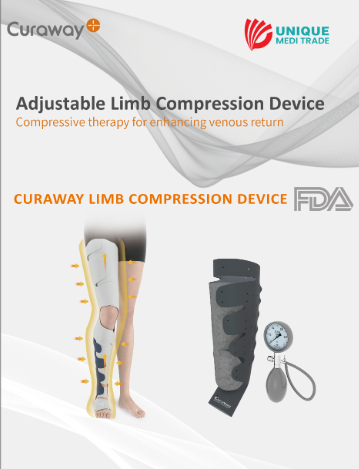
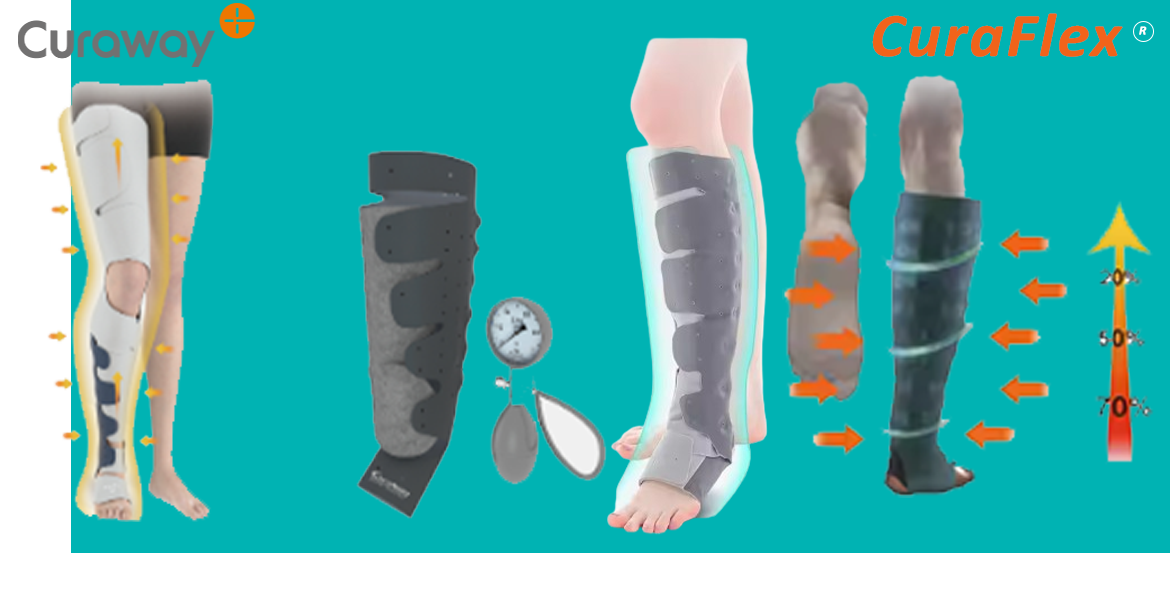
Limb Compression Therapy System: Advanced Support for Circulation, Recovery, and Patient Care
Poor circulation, swelling, and reduced mobility can significantly affect a patient’s comfort and recovery. A Limb Compression Therapy System offers a safe, non-invasive solution by applying controlled pressure to the arms or legs. This therapy helps improve blood circulation, support venous return, reduce fluid accumulation, and enhance patient comfort.
Modern limb compression systems are increasingly used in hospitals, clinics, rehabilitation centers, physiotherapy departments, vascular practices, and home-care settings.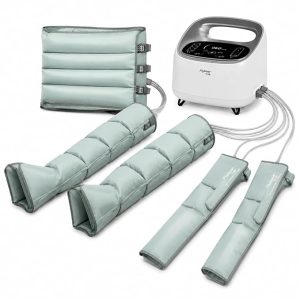
What Is a Limb Compression Therapy System?
A Limb Compression Therapy System—also known as an Intermittent Pneumatic Compression (IPC) system—typically consists of a programmable compression pump and inflatable sleeves or garments.
The sleeves are placed around the patient’s leg, foot, or arm. Air is then delivered into different chambers of the garment in a controlled sequence. These chambers inflate and deflate rhythmically, creating a gentle compression cycle that supports the natural movement of blood and lymphatic fluid.
Depending on the device and clinical purpose, the healthcare professional may adjust:
- Compression pressure
- Treatment duration
- Inflation and deflation cycles
- Compression mode
- Chamber sequence
- Treatment area
How Does Compression Therapy Work?
When limb movement is limited, the natural muscle-pump mechanism becomes less effective. Blood and fluid may accumulate in the extremities, causing swelling, discomfort, and circulatory complications.
A pneumatic compression system simulates the effect of muscle movement by applying sequential external pressure. This may help:
- Encourage venous blood to return toward the heart
- Reduce venous stasis
- Support lymphatic drainage
- Decrease limb swelling
- Improve local circulation
- Reduce sensations of heaviness and discomfort
Sequential compression usually begins at the most distant part of the limb and progresses upward. This graduated action helps move accumulated blood and fluid in the appropriate direction.
Clinical Applications
1. Deep Vein Thrombosis Prevention
Patients who remain immobile for extended periods may have an increased risk of developing deep vein thrombosis (DVT). This is particularly relevant for hospitalized patients and those recovering after major surgery.
When prescribed appropriately, intermittent pneumatic compression may be included as part of a comprehensive DVT-prevention protocol. Clinical assessment remains essential, as some patients may also require medication or additional preventive measures.
2. Postoperative Patient Care
Following surgery, pain, weakness, or restricted movement can reduce normal lower-limb activity. A limb compression system may support venous circulation during the recovery period.
It may be considered for patients following:
- Orthopedic surgery
- General surgery
- Gynecological surgery
- Bariatric surgery
- Neurological procedures
- Other major operations associated with reduced mobility
3. Lymphedema Management
Lymphedema occurs when lymphatic fluid accumulates in the tissues, producing persistent swelling. Compression therapy may be used as one component of a broader lymphedema-management program.
Depending on the patient’s condition, the complete treatment plan may also include manual lymphatic drainage, exercise, skincare, compression garments, and specialist follow-up.
4. Management of Limb Edema
Swelling of the arms or legs can result from several clinical conditions. When the underlying cause has been evaluated and compression is considered suitable, pneumatic compression may help reduce fluid accumulation and improve comfort.
Healthcare professionals should always investigate the cause of unexplained or sudden swelling before initiating treatment.
5. Rehabilitation and Physiotherapy
Patients recovering from injury, illness, or prolonged immobilization may benefit from compression therapy as part of a supervised rehabilitation program. Improved circulation and reduced swelling may help patients participate more comfortably in movement and therapeutic exercise.
6. Vascular and Venous Care
Limb compression systems may support selected patients with venous circulation problems. However, treatment pressure and duration should be determined carefully, particularly in patients with arterial disease, diabetes, neuropathy, fragile skin, or complex vascular conditions.
Benefits of a Modern Limb Compression Therapy System
A well-designed compression therapy system can provide several clinical and operational advantages:
- Non-invasive treatment
- Adjustable compression pressure
- Consistent and repeatable therapy cycles
- Sequential or graduated compression
- Simple application and operation
- Multiple sleeve or garment options
- Improved patient comfort
- Support for hospital and home-care workflows
- Reduced manual effort for healthcare staff
- Potential support for faster rehabilitation
Advanced models may also include digital controls, real-time pressure monitoring, multiple treatment programs, alarms, and patient-specific settings.
Departments That May Use Limb Compression Therapy
Limb compression systems can support patient care across multiple medical specialties, including:
- Vascular surgery
- Orthopedics
- General surgery
- Anesthesiology
- Intensive care
- Physical medicine and rehabilitation
- Physiotherapy
- Oncology
- Neurology
- Gynecology and obstetrics
- Lymphedema clinics
- Postoperative recovery units
- Long-term and home care
Patient Safety and Contraindications
Compression therapy is not appropriate for every patient. A qualified healthcare professional should evaluate the patient before treatment begins.
Extra caution or avoidance may be necessary in cases such as:
- Known or suspected acute DVT
- Severe peripheral arterial disease
- Acute thrombophlebitis
- Decompensated heart failure
- Severe limb infection or cellulitis
- Open wounds without appropriate protection
- Severe neuropathy or loss of sensation
- Unexplained pain or sudden swelling
- Conditions where increased venous or lymphatic return may be harmful
The patient’s circulation, skin condition, sensation, medical history, and treatment response should be monitored throughout therapy. The device must always be used according to the manufacturer’s instructions and the clinician’s prescription.
What to Consider When Selecting a System
Healthcare facilities should consider both clinical performance and long-term usability when choosing a limb compression therapy system.
Important factors include:
- Accurate and adjustable pressure control
- Sequential compression capability
- Number and arrangement of air chambers
- Range of available sleeve sizes
- Upper- and lower-limb compatibility
- Easy-to-clean materials
- Clear display and user-friendly controls
- Safety alarms
- Portability
- Noise level
- Durability
- Availability of accessories
- Warranty and technical support
- User training and after-sales service
The most suitable system is not simply the one with the highest pressure. It is the system that provides reliable, controlled, comfortable, and clinically appropriate compression for the intended patient group.
Limb Compression Therapy Solutions from Unique Medi Trade
Unique Medi Trade is committed to introducing advanced medical technologies that support safer treatment, efficient clinical workflows, and improved patient care in Bangladesh.
We help healthcare providers select suitable Limb Compression Therapy Systems for hospitals, surgical units, rehabilitation centers, physiotherapy facilities, vascular practices, and home-care services. Our support may include product consultation, demonstrations, user training, installation guidance, and dependable after-sales service.
Conclusion
A Limb Compression Therapy System can play an important role in circulation support, edema management, rehabilitation, and postoperative care. Through controlled and sequential pneumatic pressure, it helps support venous return and fluid movement while providing a convenient, non-invasive treatment option.
Successful therapy depends on selecting the right system, assessing the patient properly, using appropriate settings, and following established clinical protocols.
Looking for a reliable Limb Compression Therapy System in Bangladesh? Contact Unique Medi Trade for product information, clinical demonstrations, pricing, and professional support.
Contact: +8801717811312
Medical disclaimer: This article is intended for educational purposes only. Limb compression therapy should be prescribed and supervised by a qualified healthcare professional.